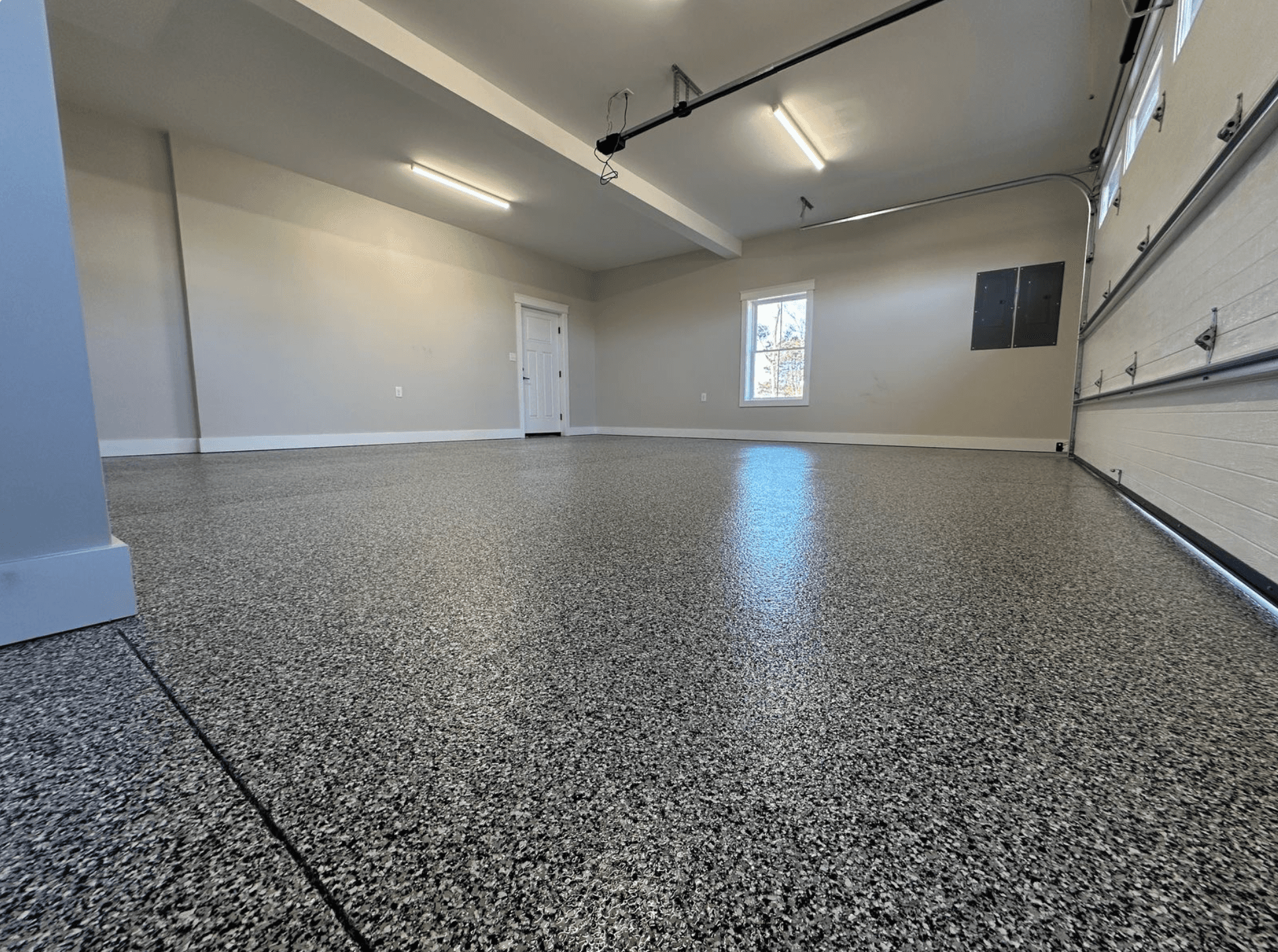
Polyaspartic Floor Coating
UV-Stable, Fast-Cure Polyaspartic Garage Floor Coatings in Tampa Bay, FL
Get a Free Polyaspartic Floor Coating Estimate
Fill out the form — we'll reply within 24 hours.
What Is Polyaspartic Floor Coating?
Polyaspartic is a next-generation coating technology that outperforms traditional epoxy in several critical ways — especially in Florida's climate. Unlike epoxy, which can yellow under UV exposure and soften under extreme heat, polyaspartic stays crystal clear and rock-hard even when Florida summer temperatures push your garage slab well above 120°F.
The chemistry is different from epoxy. Polyaspartic is an aliphatic polyurea hybrid that cures through a rapid chemical reaction rather than a slow cross-linking process. This means it can be applied and fully cured in a single day — often fast enough that you can park your car on it the same evening.
For Tampa Bay homeowners, the key advantages are UV stability (no yellowing), rapid cure (back in service same day), and hot-tire pickup resistance (the coating doesn't re-soften when hot tires press into it on a 95°F day).
Key Benefits of Polyaspartic Coatings
UV Stable — Won't Yellow
Unlike standard epoxy, polyaspartic is formulated to resist UV degradation. Your floor stays clear and color-true for years, even in direct sunlight near garage doors or open bay exposures.
Cures in Hours, Not Days
Walkable in 2–4 hours. Vehicle traffic in 12–24 hours. That means your garage is back in service the same day — no waiting 72 hours like traditional epoxy.
Hot-Tire Pickup Resistant
The coating doesn't re-soften under heat. Hot tires from summer driving won't lift or peel the coating — the most common failure point of standard epoxy in Florida.
Superior Adhesion
Polyaspartic chemically bonds to properly prepared concrete at a molecular level. It's more flexible than epoxy, which means it handles concrete expansion and contraction cycles better.
Extreme Durability
Resists impact, abrasion, chemicals, and moisture. With proper maintenance, a polyaspartic floor can last 15–20+ years.
Crystal Clear or Custom Color
Available as a clear topcoat to protect flake or metallic systems, or pigmented in virtually any color for a solid finish.
Polyaspartic vs. Epoxy: Which Should You Choose?
Cure Time: Polyaspartic — 2–4 hours walkable, 24 hours vehicle. Epoxy — 24–48 hours walkable, 72+ hours vehicle.
UV Stability: Polyaspartic — Excellent, no yellowing. Epoxy — Poor, will yellow in direct sunlight within months.
Hot-Tire Pickup: Polyaspartic — Resistant. Epoxy — Prone to softening and pickup above 120°F.
Flexibility: Polyaspartic — More flexible, handles concrete movement. Epoxy — Rigid, can crack with slab movement.
Cost: Polyaspartic — $6–$10 per sq. ft. Epoxy — $4–$6 per sq. ft.
Lifespan: Polyaspartic — 15–20 years. Epoxy — 10–15 years.
Our recommendation: For Florida garages where heat, humidity, and UV exposure are unavoidable, polyaspartic is the superior choice. The slightly higher upfront cost is offset by a longer lifespan and zero risk of yellowing or hot-tire pickup failure.
Ideal Applications for Polyaspartic
- Residential garage floors — especially attached garages with direct sun exposure
- Commercial showrooms and dealerships requiring same-day turnaround
- Automotive repair shops where chemical resistance and fast cure are critical
- Warehouse and distribution center floors needing rapid return to service
- Outdoor covered patios and lanais exposed to UV through open sides
- Aircraft hangars where UV exposure and tire heat are constant concerns
Our Polyaspartic Application Process
1. Concrete Moisture Testing: We test your slab using ASTM F2170 relative humidity probes to ensure moisture levels are within manufacturer specifications.
2. Diamond Grinding: Industrial diamond grinders with HEPA dust extraction profile the concrete, removing old coatings, sealers, and contaminants.
3. Crack & Joint Repair: All cracks and control joints are filled with semi-rigid filler for a seamless finish.
4. Primer Application: A penetrating epoxy or polyaspartic primer seals the concrete and blocks moisture vapor.
5. Base Coat & Decorative Broadcast: Your chosen color or flake blend is applied. For flake systems, chips are broadcast to full rejection.
6. Polyaspartic Topcoat: A UV-stable polyaspartic topcoat seals the system with a high-gloss, non-yellowing finish.
7. Walk-Through & Care Instructions: We review the finished floor with you and provide detailed maintenance guidelines.
Why Polyaspartic Costs More Than Epoxy (And Why It's Worth It)
At $6–$10 per square foot, polyaspartic is 30–50% more expensive than standard epoxy. Here's what that extra investment buys you:
No re-coating costs. Epoxy that yellows or suffers hot-tire pickup needs to be stripped and reapplied in 5–8 years. Polyaspartic doesn't have those problems — your total lifetime cost is actually lower.
Same-day turnaround. Your garage is out of commission for one day instead of three. For commercial shops, that means zero lost revenue.
15-year warranty backed by chemistry. We can offer a longer warranty on polyaspartic because the chemistry is more predictable in Florida's extreme conditions.
Better resale value. A polyaspartic floor with a transferable warranty is a documented upgrade that home buyers recognize and value above a basic epoxy floor.
Frequently Asked Questions
How long does a polyaspartic garage floor last? Professionally installed polyaspartic floors typically last 15–20 years with normal residential use. The coating doesn't yellow, soften, or delaminate like epoxy can.
Can polyaspartic be applied over existing epoxy? Yes, in most cases. The existing epoxy must be diamond-ground to create a mechanical bond, then primed before the polyaspartic topcoat goes down. If the existing epoxy is delaminating, it must be fully removed first.
Is polyaspartic slippery when wet? We add aluminum oxide anti-slip additive to the topcoat for traction. The floor remains slip-resistant without feeling rough underfoot.
Does polyaspartic require special maintenance? No — just sweep and occasionally damp mop with a neutral pH cleaner. No waxing, stripping, or sealing required.
Can I park on a polyaspartic floor the same day? Yes — we recommend 12–24 hours cure time before parking vehicles, but most polyaspartic systems are ready for foot traffic within 2–4 hours.
Our Work
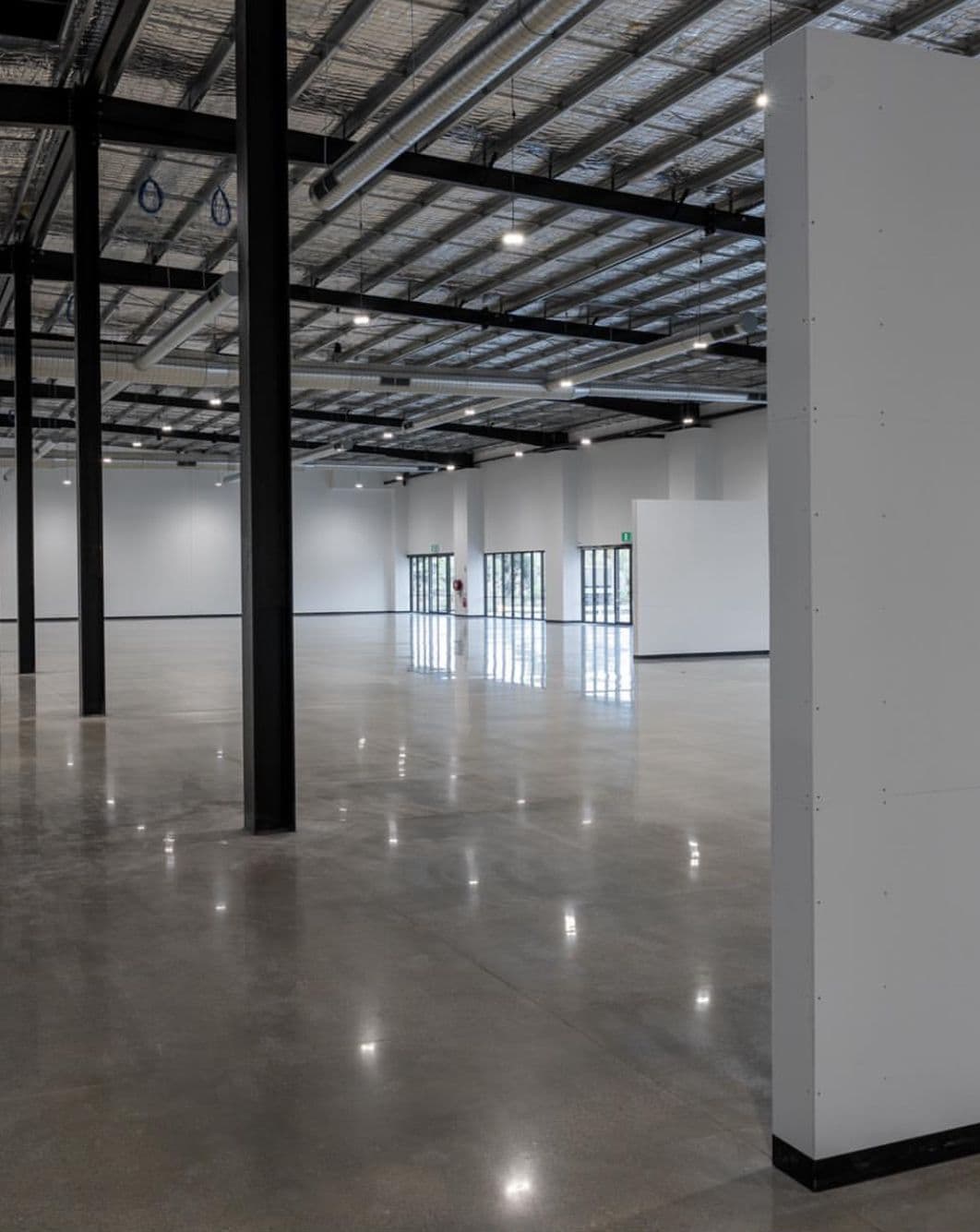
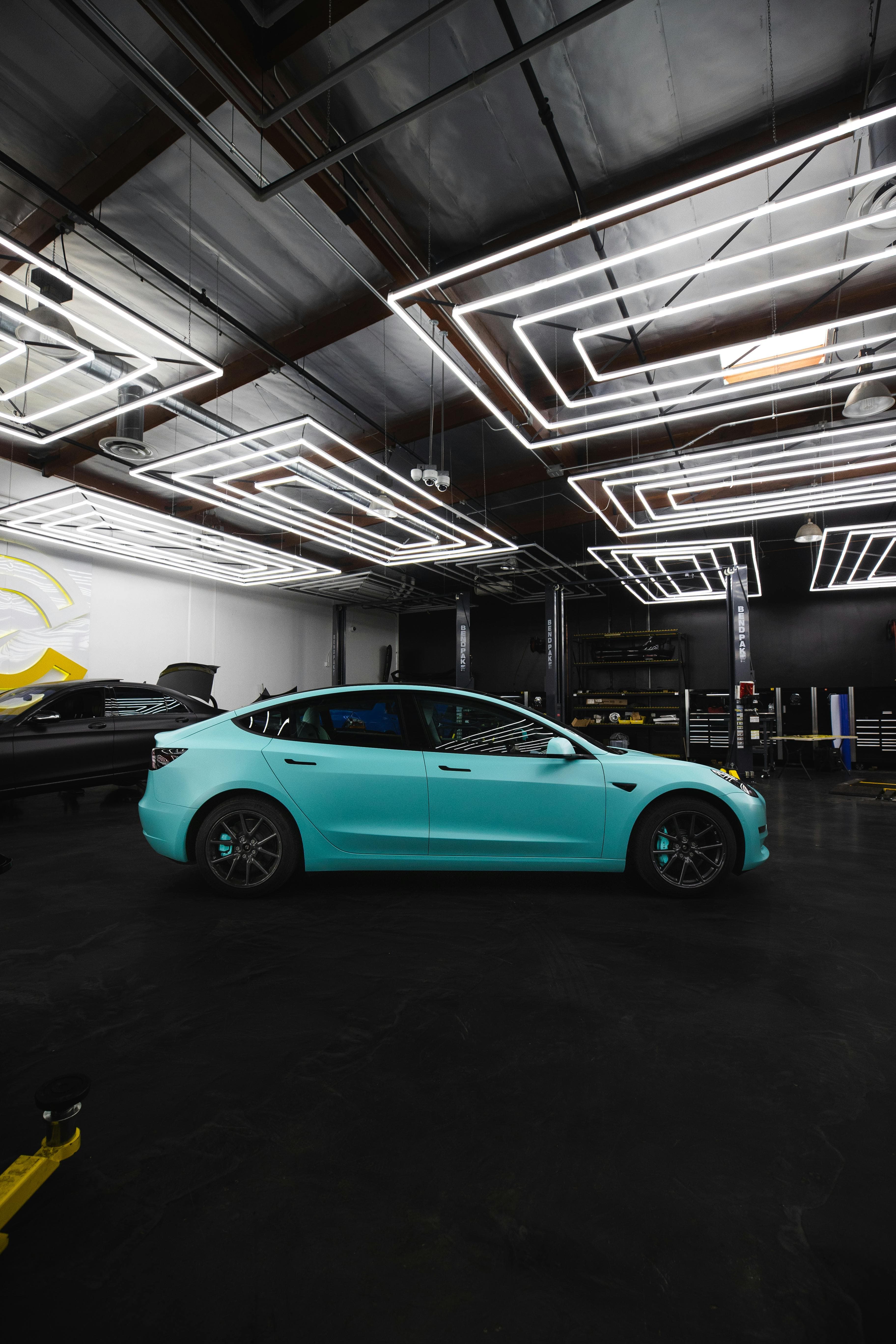
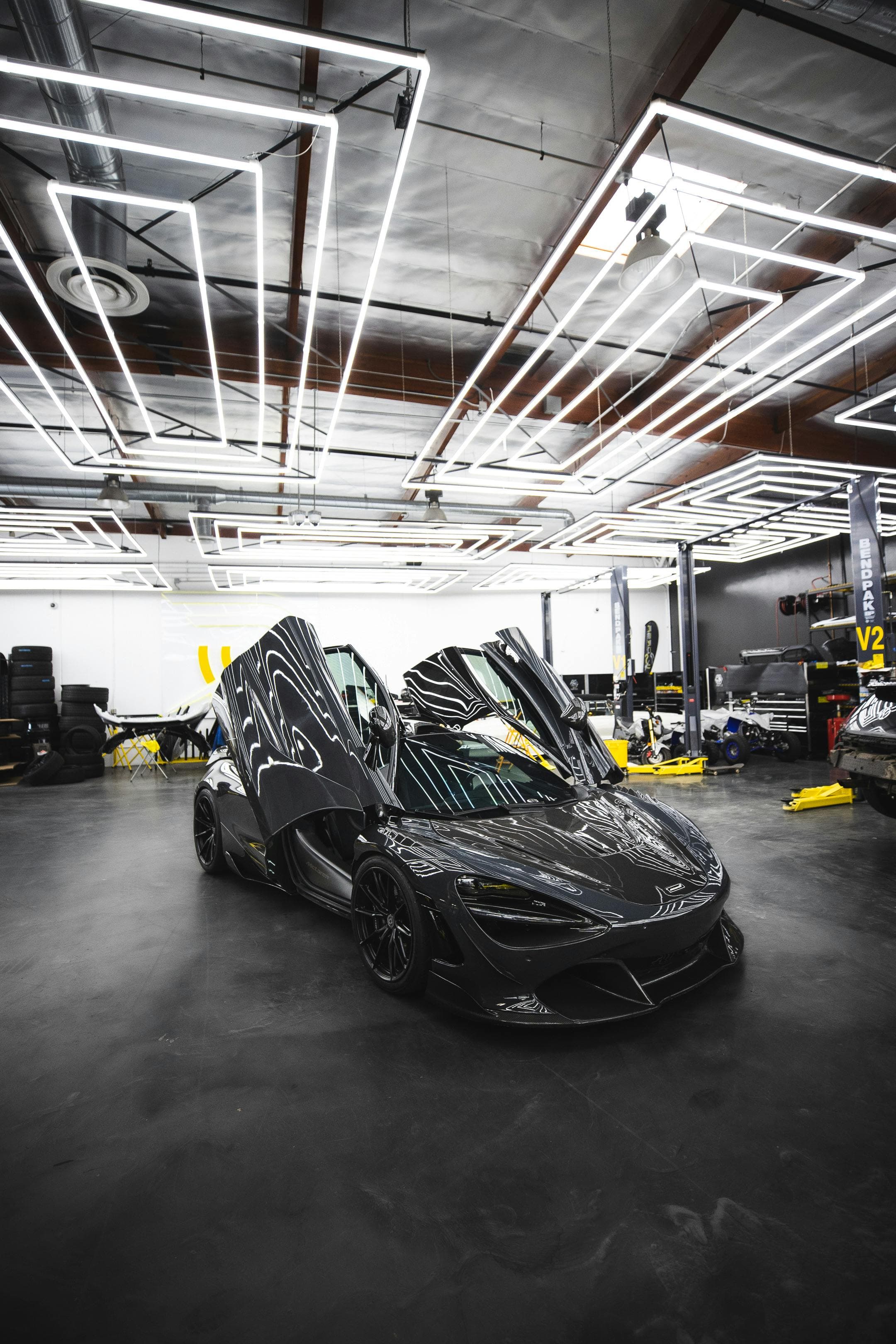
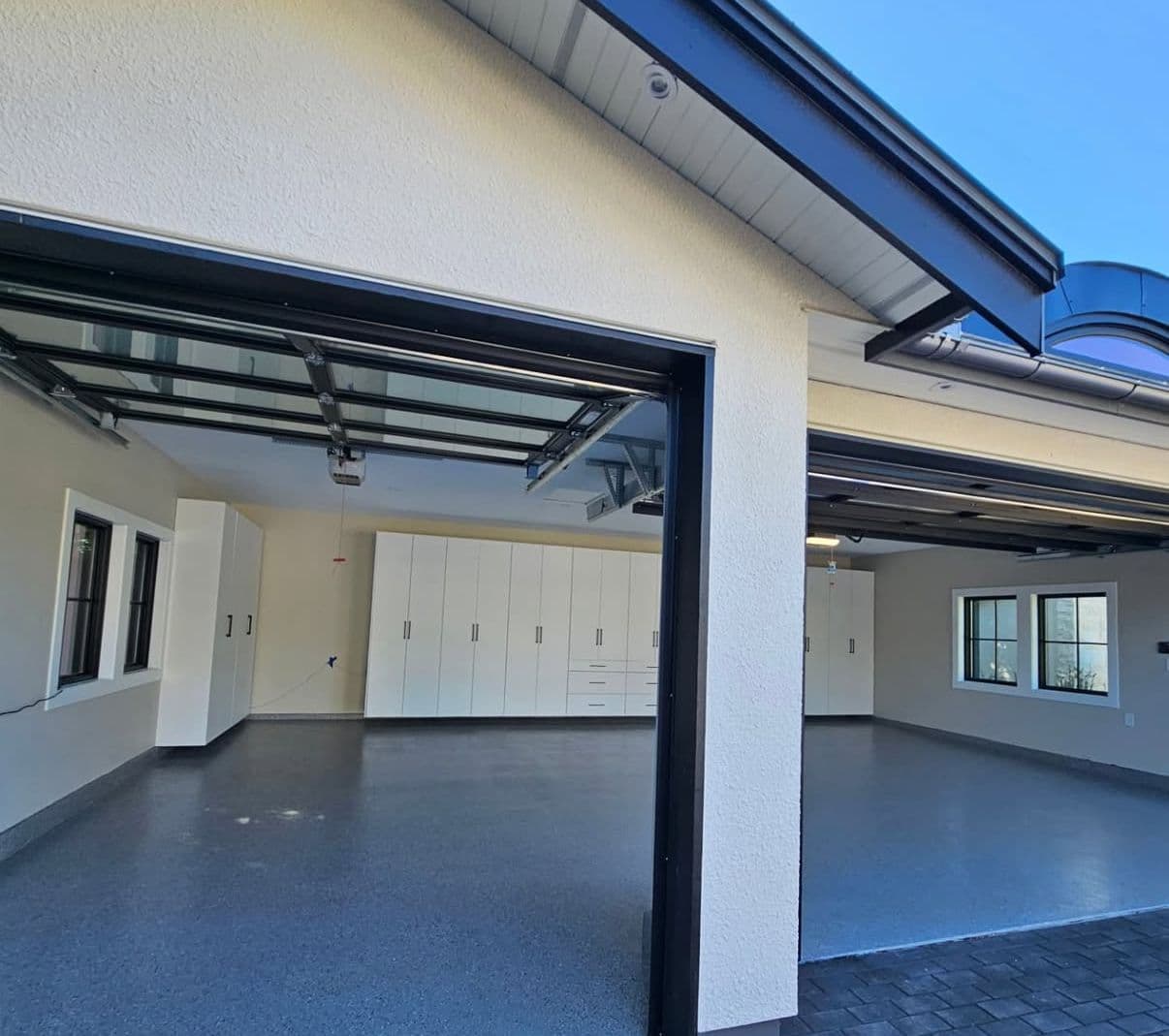
See examples of our polyaspartic floor coating projects
Other Services
Explore our full range of concrete coating solutions
Polyaspartic Floor Coating FAQs
Common questions about our polyaspartic floor coating service
Polyaspartic is a next-generation coating that cures in hours (vs. days for epoxy), is UV-stable (won't yellow), and resists hot-tire pickup. Epoxy is more affordable but takes longer to cure and can yellow in sunlight. For Florida garages, polyaspartic is the superior choice.
Ready to Get Started?
Contact us today for a free consultation and quote for your polyaspartic floor coating project